
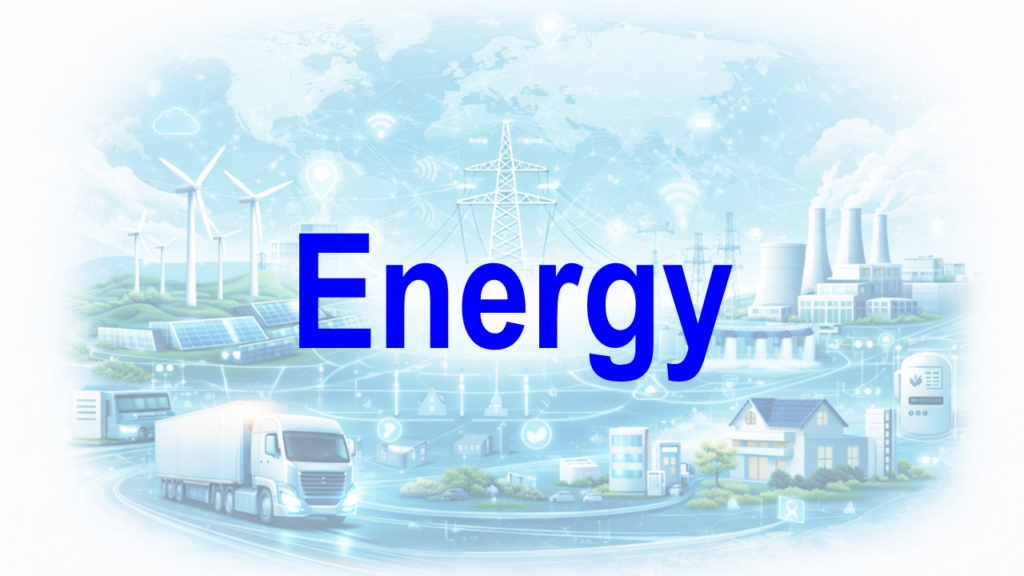
The energy system is undergoing a profound transformation, often summarized by the 3Ds (and sometimes 4Ds):
- Decarbonization: reducing emissions through renewables, electrification of end uses, and green gases.
- Decentralization: shifting from a centralized model to one with thousands of production points.
- Digitalization: sensors, big data, AI, and automation.
- Democratization (sometimes added): consumers become active participants (prosumers).
The grid is gradually evolving toward an integrated energy system, where different energy vectors interact, with major challenges including resilience to climate hazards, cybersecurity, societal acceptance, cost control, and the interconnection of networks (electricity / gas / water / thermal).
Smart gas grids
Gas networks are also becoming “intelligent”, especially through facility instrumentation, metering and remote reading, centralized supervision, and real-time hydraulic modeling.
Specific challenges are numerous, particularly with the growth of new gases and their different physical properties:
- Adapting to new gases (biomethane, hydrogen, H₂/CH₄ blends)
- Safety and leak detection
- Pressure and flow control
- Management of decentralized injection (biogas)
The gas network also plays an increasing role in indirect energy storage via power-to-gas. For gas injection stations, smart grids support injection (natural gas or biomethane), pressure regulation, metering, safety functions, … With the expansion of biomethane, numerous small decentralized injection points are emerging, increasing operational complexity through:
- Possible bidirectional flows
- Variable gas quality
- Need for fine-grained supervision
Smart electrical grids
In the electricity sector, smart grids address major transformations such as the rapid increase of intermittent renewable energy (solar, wind), the development of decentralized generation (self-consumption, microgrids), the rise of new electrical usages (electric vehicles, heat pumps) and the growing needs for flexibility and resilience.
To meet these challenges, intelligent infrastructure relies on:
Sensors and automation systems (IED, RTU, SCADA)
Smart meters
Remote control of substations and networks
Production and consumption forecasting
Demand-side management
Energy storage (batteries, pumped storage, V2G)
These technologies primarily aim to:
Balance supply and demand in real time
Optimize power flows
Improve quality of supply
Reduce technical losses
Enable high penetration of renewable energy
Smart water grids
For potable water and sanitation, smart grids aim to reduce leaks (which can represent 15%–30% or more of total volumes in some countries), to optimize energy consumption in pumping, to monitor water quality, to manage network pressure. The intelligent infrastructure relies on:
Flow, pressure, and quality sensors
Remote management of pumping stations
Network sectorization
Data analytics for predictive maintenance
At water facilities (pumping stations, reservoirs, treatment plants), intelligent control systems aim to:
Stabilize energy consumption
Ensure service continuity
Optimize energy costs